Instructor
CDL Study Buddy Team
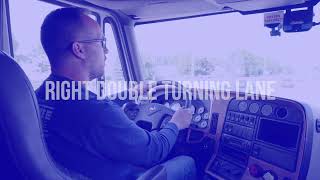
Railroad crossing procedures are a mandatory part of the CDL driving skills test, and failing to properly negotiate a railroad crossing is an automatic failure in many states. This video provides complete instruction on the rules, techniques, and safety protocols for railroad crossings.
The video begins with the critical distinction: which vehicles must stop at all railroad crossings? School buses and vehicles transporting hazardous materials requiring placards must stop at all crossings, regardless of whether a train is approaching. For other commercial vehicles, you must stop when warning lights are flashing, gates are down, a flagger signals you to stop, or a train is visibly approaching. The instructor emphasizes that when in doubt, stopping is always the safer choice.
Stopping procedure is demonstrated with precise measurements. You must stop between 15 and 50 feet from the nearest rail — no closer than 15 feet and no farther than 50 feet. The instructor shows how to judge this distance from the driver's seat using visual references. Stopping too close can put you in the danger zone if a train passes, while stopping too far may result in test deductions.
After stopping, the proper observation technique is demonstrated. The instructor shows how to look both ways and listen for approaching trains. You should open your window to hear better and turn off any fans or radios that might mask the sound of a train horn. The video emphasizes that trains can approach from either direction on any track, including tracks that appear unused.
Gear selection for crossing is an important CDL test skill. The instructor explains that you should cross the tracks in a gear that allows you to clear the crossing without shifting — shifting while on the tracks is prohibited and can cause the vehicle to stall in a dangerous position. For manual transmissions, this means selecting a low enough gear before you begin crossing.
Crossing technique covers both single and multiple track crossings. For multiple tracks, you must ensure there is enough room on the other side for your entire vehicle before proceeding — never stop on the tracks waiting for traffic ahead to clear. The instructor demonstrates proper spacing judgment.
Special situations covered include: crossings on hills or curves where visibility is limited, crossings with obstructed views, and crossings where the warning lights activate after you have already stopped (do not proceed, wait for the train). The video also addresses what to do if your vehicle stalls on a crossing — evacuate immediately, move away from the tracks at a 45-degree angle TOWARD the approaching train (not away, as debris can be thrown forward), and call 911.
For official FMCSA railroad crossing regulations, visit https://www.fmcsa.dot.gov/. Supplement this training with our free CDL practice tests for comprehensive test preparation.