Instructor
CDL Study Buddy Team
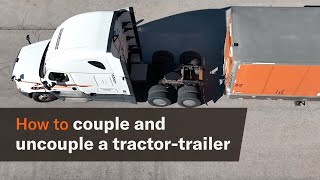
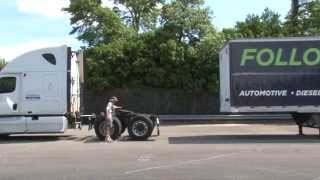
The coupling system inspection during your CDL pre-trip is critical for safety and receives significant attention from examiners. This video teaches you exactly what to check in the coupling area and how to identify defects that would make the vehicle unsafe to operate.
The coupling system connects approximately 10,000-15,000 pounds of tractor to up to 80,000 pounds of loaded trailer. A failure in this connection is catastrophic, which is why thorough inspection is non-negotiable. The instructor begins by explaining the components of the coupling system so you understand what each part does before learning how to inspect it.
The fifth wheel inspection covers the top plate surface. You must check that the plate is properly greased — a thin layer of grease should cover the surface where the trailer apron rides, preventing metal-to-metal contact that causes wear and binding during turns. The instructor shows what properly greased, dry, and excessively greased fifth wheels look like.
Fifth wheel mounting is inspected for security. The mounting bracket bolts to the tractor frame, and every bolt must be present and tight. You will learn to check for missing, loose, or broken bolts and cracked welds. The pivot pins that allow the fifth wheel to tilt must be in place and secured with cotter pins or retaining clips.
The locking jaw mechanism is the most critical safety component. The instructor demonstrates how to inspect the jaws with the fifth wheel open and closed. In the closed position, the jaws must be completely wrapped around the kingpin area, and the release arm must be in the fully locked position. The video shows close-up footage of a properly locked fifth wheel and common defects: partially closed jaws, a release arm that can be moved by hand, and worn jaw surfaces.
The kingpin inspection on the trailer side checks for bending, cracking, or excessive wear. A worn kingpin (visible grooves or a reduced diameter) can cause coupling failure even if the fifth wheel is in good condition. The trailer apron plate — the flat surface the fifth wheel rides against — must be flat, smooth, and free of cracks.
The platform or deck plate on the tractor is inspected for cracks, loose bolts, and cleanliness. Grease and debris can create a slipping hazard during coupling. The trailer's glad hands and electrical connector are checked for damaged seals (which cause air leaks), clean electrical pins (corrosion causes lighting failures), and secure mounting.
The instructor also covers the air and electrical line inspection, including the emergency air line that activates the trailer spring brakes if the trailer separates from the tractor. Proper line routing is checked to ensure lines won't be pinched or chafed during turns.
For official FMCSA coupling system requirements, visit https://www.fmcsa.dot.gov/. Pair this inspection tutorial with our CDL practice tests for comprehensive exam readiness.