Instructor
CDL Study Buddy Team
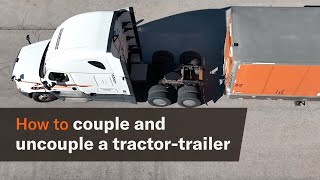
This video presents the CDL coupling and uncoupling procedure in the exam format — showing exactly what you need to say and do to satisfy CDL examiners during your skills test. Verbal communication is as important as physical performance, and this tutorial teaches both.
The coupling procedure begins with the approach and alignment. The instructor verbalizes each step: "I am approaching the trailer, checking that it is properly positioned with the landing gear down and the wheels chocked if on an incline. I am inspecting the fifth wheel to ensure it is tilted back, the jaws are open, and the plate is properly greased." You will learn the exact terminology examiners expect.
Height check verbalization is demonstrated: "I am checking the trailer height. The apron plate should contact the fifth wheel slightly below center so the kingpin rides up into the locking jaws." The instructor shows how to explain what you would do if the height was incorrect — either adjust the trailer height using the landing gear crank or reposition.
The backing-and-locking phase is demonstrated with simultaneous verbal explanation. The instructor explains what you are watching in your mirrors, what sounds you are listening for, and how you confirm the lock. "I have heard the locking jaws close around the kingpin. I am now performing a visual check through the gap in the fifth wheel to see that the jaws are fully closed."
The tug test receives detailed coverage for both the trailer-brake-set tug test and the brake-released tug test. The instructor verbalizes: "I am performing the first tug test with the trailer brakes set. The vehicle does not move, confirming the trailer brakes are functional. Now I am releasing the trailer brakes and performing the second tug test, pulling forward gently to confirm the kingpin is locked in the fifth wheel jaws."
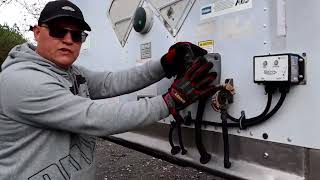
Air and electrical line connection is narrated step by step: line identification (blue=service, red=emergency), proper seating of glad hands, electrical connection, and line routing to prevent dragging. The landing gear crank-up procedure includes the critical safety note about storing the crank handle so it doesn't vibrate loose during travel.
The uncoupling verbal procedure is equally detailed. The instructor demonstrates explaining the sequence: selecting firm level ground, setting trailer brakes, lowering landing gear until it contacts the ground "plus two full turns to take the weight," disconnecting lines and securing them to the dummy couplers, pulling the release handle to open the fifth wheel jaws, and slowly pulling away.